-
Solar panels convert sunlight into electricity – PV cells generate power for your home, with excess energy stored in batteries or fed back to the grid.
-
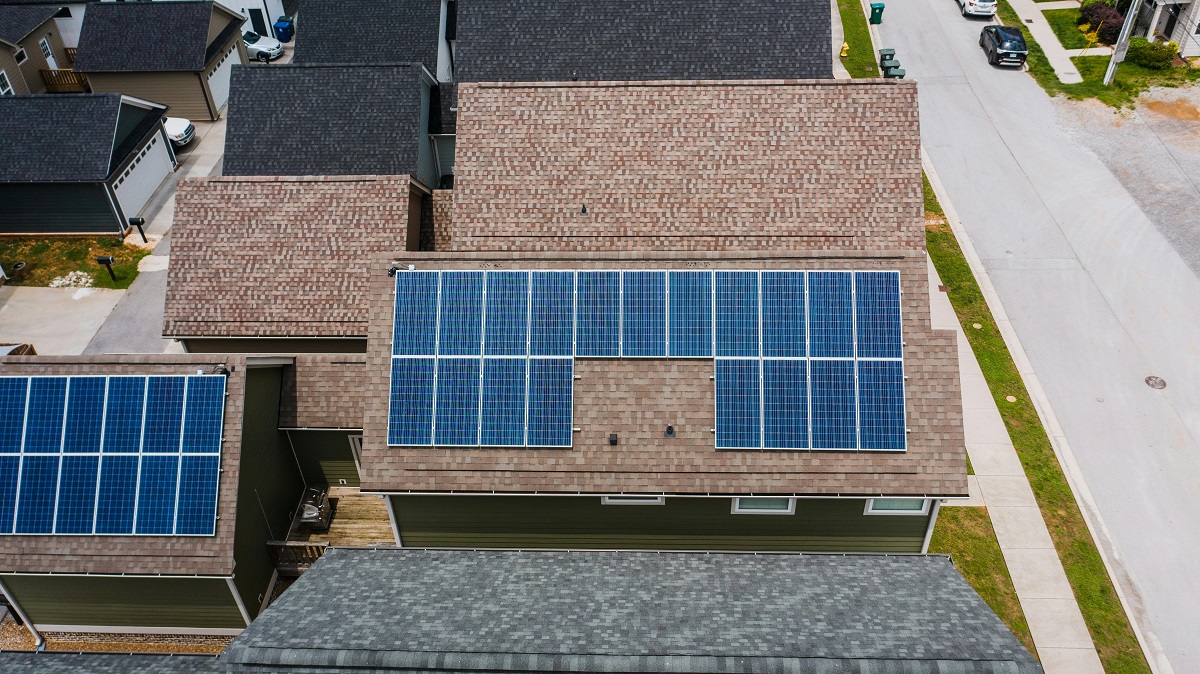
Roof suitability is crucial – Ideal orientation is north-facing with a pitch of 15°–35°, minimal shading, and sufficient space; roof condition must be sound.
-
System size depends on household needs – Small (3–4kW), medium (5–6kW), and large (7–10kW) households should match panel output to energy usage.
-
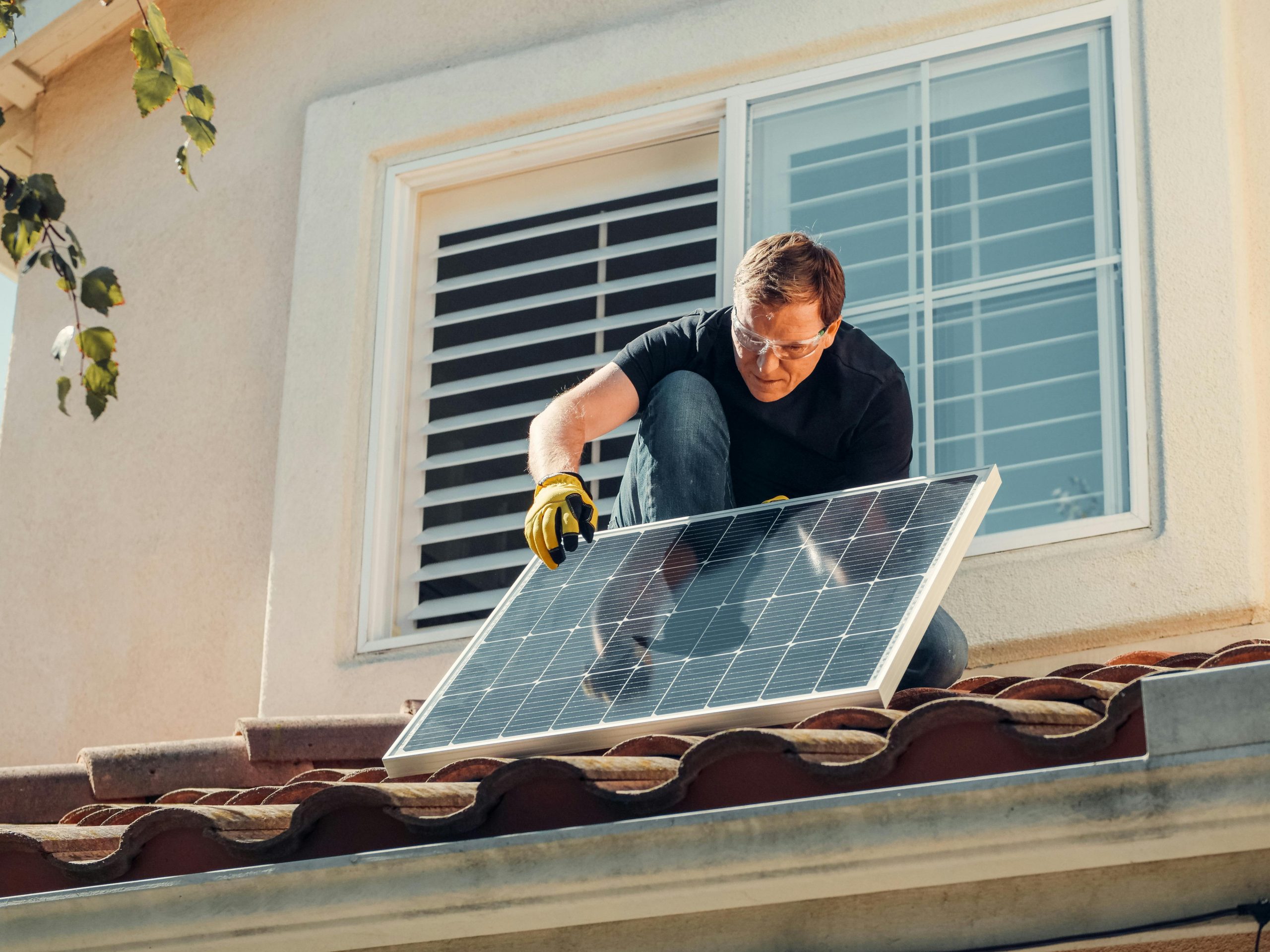
Professional installation is recommended – Licensed installers ensure safety, compliance, warranty validity, and optimal performance; DIY installation is risky.
-
Financial incentives and savings – STCs, state rebates, and feed-in tariffs can reduce upfront costs, while typical savings for a 5kW system are $700–$1,500/year.
-
Maintenance is low but important – Clean panels periodically, trim overhanging branches, and schedule professional inspections to maintain efficiency.
-
Environmental and property benefits – Solar reduces greenhouse gas emissions, supports renewable energy, and can increase home resale value.
If you’re a homeowner looking to save on energy bills, reduce your carbon footprint, and boost your property’s value, installing solar panels could be a smart move. While the idea of switching to solar might seem daunting at first, it doesn’t have to be. This guide will walk you through everything you need to know about installing solar panels, from understanding how they work to choosing the right system for your home.
What Are Solar Panels and How Do They Work?
Before diving into installation, it helps to understand what solar panels actually do.
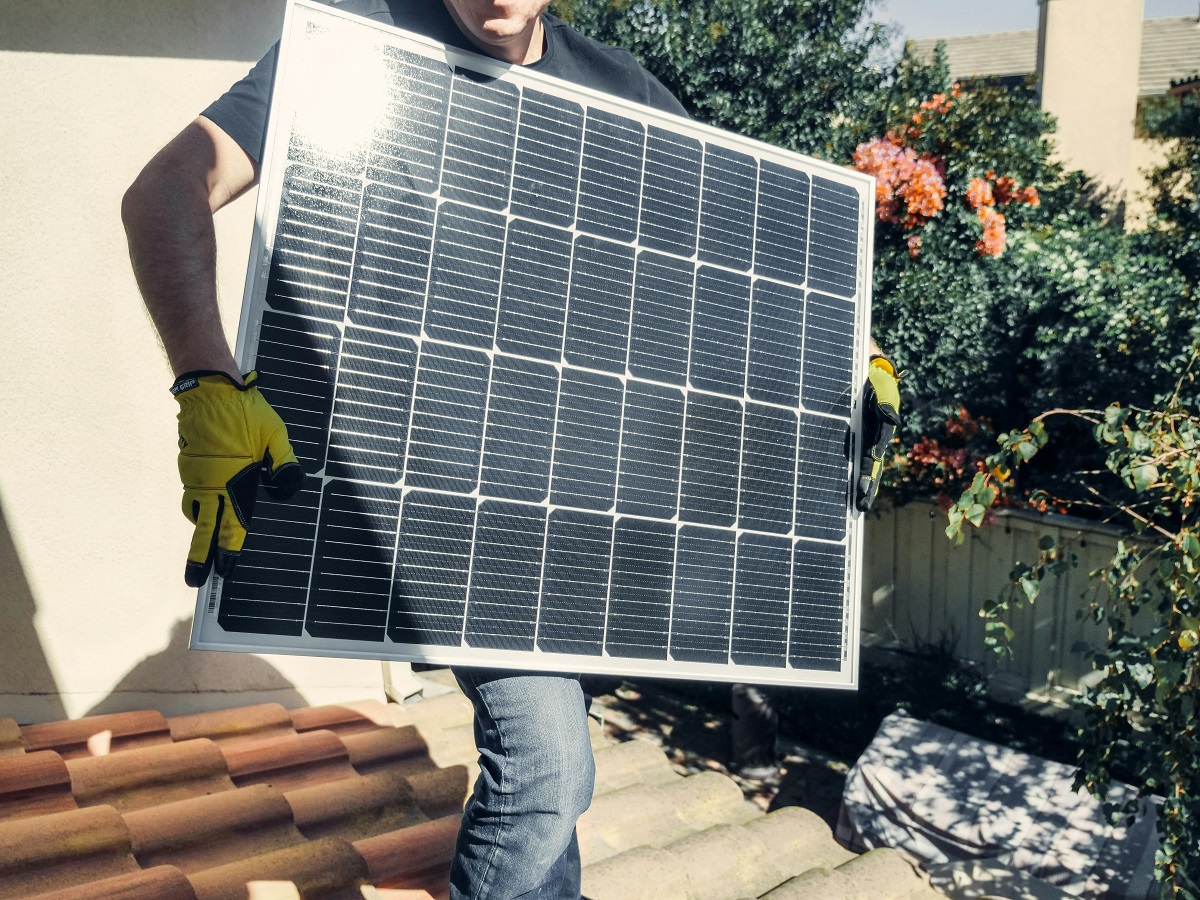
Solar panels are made of photovoltaic (PV) cells that convert sunlight into electricity. When sunlight hits these cells, it generates a flow of electricity that can power your home. Any excess electricity can either be stored in a battery system for later use or fed back into the grid, often earning you credits from your energy provider.
Key benefits of solar panels include:
- Lower energy bills
- Reduced reliance on the grid
- Positive environmental impact
- Potential increase in home resale value
Understanding the basics helps you make informed decisions when it comes to installation.
How Do I Know If My Home Is Suitable for Solar Panels?
Not every home is equally suited for solar panels. Before investing, it’s important to assess your property carefully to ensure you’ll get the most out of your system. Here are the key factors to consider:
Roof Orientation and Angle
The direction your roof faces has a major impact on solar energy production.
- North-facing roofs receive the most sunlight throughout the day and are ideal for solar panels. They can generate maximum electricity, especially in winter when the sun sits lower in the sky.
- East-facing roofs capture morning sunlight, while west-facing roofs catch the afternoon sun. Both are viable, but they generally produce slightly less energy than north-facing installations.
- The roof pitch or angle also matters. A pitch between 15° and 35° is typically ideal for solar panels, though adjustable mounting systems can help optimise panels on steeper or flatter roofs.
Tip: Even if your roof isn’t perfectly oriented, solar panels can still be effective with the right system and positioning.
Roof Size and Condition
The size of your roof determines how many solar panels you can install:
- A small roof may only accommodate a 3–4kW system, while a larger roof can support 6–10kW or more.
- Consider the layout: skylights, chimneys, or vents can reduce available space.
- Condition matters: Older roofs with worn tiles, rust, or structural issues may need repairs or replacement before installation. Installing panels on a compromised roof can lead to long-term problems, higher maintenance costs, and voided warranties.
Tip: If your roof needs repair, it’s worth addressing this first—doing it after the solar installation can be costly and disruptive.
Shading
Shading can significantly reduce solar panel efficiency. Shadows cast by:
- Tall trees
- Neighbouring buildings
- Antennas, chimneys, or roof equipment
…can impact energy output. Even partial shading on one panel can affect the performance of an entire string of panels.
Tip: Ask your installer to perform a shading analysis. Sometimes, trimming nearby trees or adjusting panel placement can solve shading issues.
Local Climate
While solar panels generate the most electricity under direct sunlight, they can still work in less-than-ideal conditions:
- Sunny regions: Maximise energy production and return on investment.
- Cloudy or rainy areas: Panels still generate electricity, just at lower efficiency.
- Hot climates: Extreme heat slightly reduces efficiency, but modern panels are designed to cope with high temperatures.
Tip: Check your local solar radiation data or ask your installer for a predicted system performance report to understand expected output year-round.
Other Considerations
- Energy usage patterns: Homes with higher daytime electricity consumption benefit most from solar.
- Roof orientation changes: Some homes may have multiple roof planes facing different directions—split installation might be an option.
- Neighbourhood restrictions: Check if your area has any council or body corporate regulations regarding solar panels, especially for heritage homes.
How Much Do Solar Panels Cost?
Cost is a major factor for homeowners considering solar. Prices vary depending on the system size, type of panels, and whether you include battery storage.
Typical costs include:
- 3kW system: Around $3,900 – $4,570
- 5kW system: Around $5,770 – $6,520
- 10kW system: Around $7,460 – $8,820
Government incentives, such as Small-scale Technology Certificates (STCs), can help offset installation costs. In some cases, you might also be eligible for interest-free loans or rebates depending on your state.
What Size Solar System Do I Need?
Choosing the right system size is essential for meeting your household energy needs. Here’s a rough guide:
- Small household (1–2 people): 3–4kW
- Medium household (3–4 people): 5–6kW
- Large household (5+ people): 7–10kW
Your energy provider can provide detailed usage reports to help you choose a system that matches your consumption.
What Are the Steps to Installing Solar Panels?
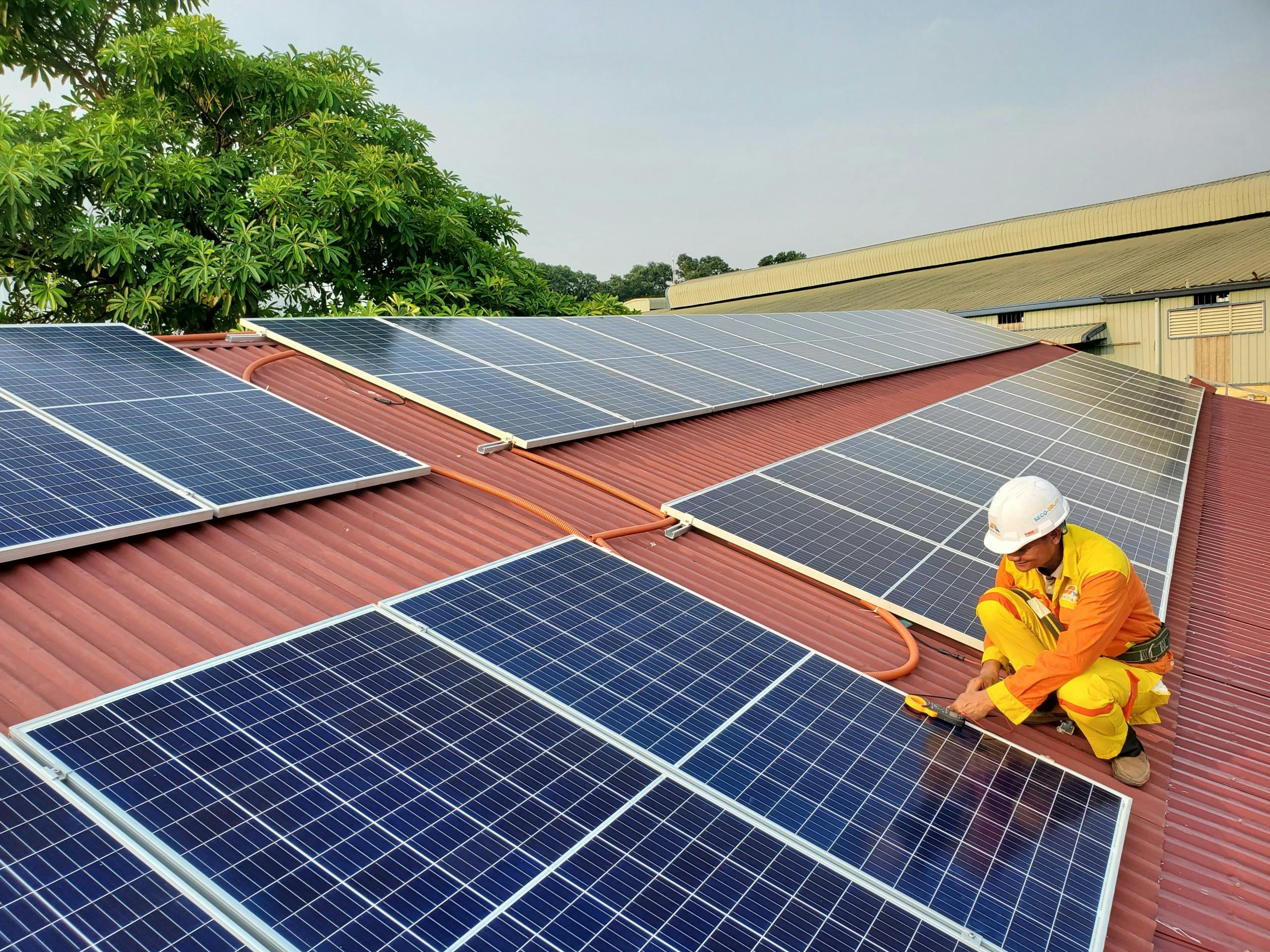
Installing solar panels may seem complicated, but the process can be broken down into clear, manageable steps. Understanding each stage helps you feel confident and ensures you get the best results for your home.
1. Get a Professional Assessment
The first step is to arrange a site inspection with a certified solar installer. During this visit, the installer will:
- Assess your roof’s suitability, including orientation, angle, and available space.
- Check for shading issues from trees, neighbouring buildings, or roof obstructions.
- Evaluate the structural condition of your roof to ensure it can safely support the panels.
- Discuss your energy usage patterns to determine the appropriate system size for your household.
Tip: Ask the installer for an estimate of how much electricity your system could generate annually. This helps you understand potential savings before committing.
2. Choose Your Solar System
Once your roof is deemed suitable, it’s time to select the right system. Consider these factors:
- Panel Type:
- Monocrystalline panels: High efficiency, ideal for limited roof space, slightly more expensive.
- Polycrystalline panels: More affordable, slightly lower efficiency, usually a good option for larger roofs.
- Inverter Type:
- String inverters: Cost-effective, good for roofs without shading issues.
- Microinverters: Each panel has its own inverter, improving performance if some shading is unavoidable.
- Battery Storage (Optional):
- Allows you to store excess energy for use at night or during outages.
- Consider lithium-ion batteries for high efficiency and longer lifespan.
- System Size: Match the system to your household consumption to avoid over- or under-sizing.
Tip: Compare multiple brands and models, and check warranties (usually 10–25 years for panels and 5–10 years for inverters).
3. Obtain Permits and Approvals
Most solar installations require permits or approval from:
- Your local council
- The electricity network provider for grid connection
Your installer typically handles all paperwork, but it’s good to be aware of requirements. Common steps include:
- Submitting a development application if required.
- Completing forms for grid connection so excess energy can be exported.
- Ensuring the installation meets Australian Standards for electrical safety.
Tip: Approval times vary by council, so factor this into your planning to avoid delays.
4. Installation
The physical installation usually takes 1–3 days, depending on system size. Key steps include:
- Mounting the Panels: Specialised racking is attached to your roof, securing panels at the correct angle.
- Electrical Wiring: Panels are connected to the inverter, which converts solar energy into usable electricity.
- Integration with Home Supply: The system is linked to your home’s electrical board, and if applicable, to your battery storage.
- Safety Checks: Installers ensure all connections meet Australian safety standards.
Tip: Make sure your installer uses high-quality mounting hardware and wiring to prevent leaks, corrosion, or electrical faults.
5. Inspection and Activation
After installation, your system typically requires a final inspection:
- A certified inspector or your installer may check the installation for compliance with safety and electrical standards.
- The system is then approved for connection to the grid.
- Once approved, you can switch on your solar panels and start generating electricity.
Tip: Keep all documentation, including warranties, manuals, and compliance certificates. This will be important for maintenance, insurance, or potential resale of your home.
Additional Considerations
- Monitoring Your System: Most modern systems allow you to track energy production via apps or online dashboards.
- Maintenance: Solar panels are low-maintenance but should be cleaned periodically and checked for debris, damage, or shading issues.
- Performance Optimisation: Discuss with your installer how to maximise efficiency, such as panel angle adjustments or cleaning schedules.
Can I Install Solar Panels Myself?
While DIY solar installations are technically possible, it’s not recommended for most homeowners due to the following reasons:
- Safety risks with working on the roof and handling electricity
- Complex electrical and wiring requirements
- Warranty issues — many manufacturers only honour warranties for professional installations
Hiring a licensed solar installer is usually the safest and most reliable option.
How Long Does It Take to See Savings?
One of the main reasons homeowners invest in solar is to reduce energy bills. The time it takes to see savings depends on system size, energy usage, and sunlight exposure.
- On average, a typical 5kW system can save $700–$1,500 per year.
- Many households see a return on investment within 4–7 years.
- Excess energy sold back to the grid can further shorten the payback period.
How Do I Maintain My Solar Panels?
Solar panels are generally low-maintenance, but proper care ensures optimal performance.
Maintenance tips:
- Clean panels occasionally to remove dust, leaves, and bird droppings
- Trim overhanging branches that cast shadows
- Schedule annual inspections by a professional
Most solar panels come with a warranty of 10–25 years, giving you peace of mind about long-term reliability.
Are There Incentives for Installing Solar Panels?
Yes! Homeowners can take advantage of several financial incentives:
- Small-scale Technology Certificates (STCs): These reduce upfront costs based on system size and location.
- State-based rebates: Some states offer additional rebates or interest-free loans.
- Feed-in tariffs: Excess electricity fed back to the grid can earn you credits on your energy bill.
Check with your local government or installer for the latest programs.
What Are the Environmental Benefits of Installing Solar Panels?
Solar panels help reduce your carbon footprint by generating clean, renewable energy. Benefits include:
- Reducing greenhouse gas emissions
- Lower reliance on fossil fuels
- Supporting a sustainable energy future
Even a modest residential system can save hundreds of kilograms of CO₂ emissions each year.
Common Questions About Installing Solar Panels
Q: Can I install solar panels on a flat roof?
Yes, with the right mounting system, solar panels can be angled to maximise sunlight exposure even on flat roofs.
Q: Will solar panels work during cloudy days or winter?
Yes. While efficiency is reduced, panels still generate electricity even in low-light conditions.
Q: Do I need to upgrade my electrical system?
Most homes can integrate solar without major upgrades, but older homes may require electrical panel updates.
Q: How long do solar panels last?
Most panels have a lifespan of 25–30 years, with minimal efficiency loss over time.
Tips for Choosing the Right Installer
Selecting a reliable installer is crucial. Consider these points:
- Check for Clean Energy Council (CEC) accreditation
- Look at reviews and past projects
- Get multiple quotes for comparison
- Ensure the installer handles permits and grid connection
A trustworthy installer makes the process smoother and ensures your system performs optimally.
Can Solar Panels Increase Your Home Value?
Studies show that homes with solar systems can sell for more than comparable properties without solar. Buyers are often attracted to homes with lower energy bills and renewable energy solutions, making solar panels a smart long-term investment.
In Summary
Switching to solar energy doesn’t have to be complicated. By understanding your home’s suitability, choosing the right system, and hiring a licensed installer, you can enjoy lower energy bills, contribute to environmental sustainability, and potentially increase your property’s value.
For homeowners ready to take the leap, installing solar panels is not just an investment in your home—it’s an investment in a cleaner, greener future.