-
Know when to turn off solar panels: Emergencies like electrical faults, storms, fires, floods, or maintenance require safe shutdowns.
-
Locate main switches and isolators: Familiarise yourself with the DC and AC isolators after you install solar panels to ensure quick access in emergencies.
-
Follow a safe shutdown sequence: Turn off the inverter first, then the DC isolator, and use the AC isolator for full disconnection if necessary.
-
Confirm power is fully off: Double-check that lights, circuits, and the inverter show no activity before touching any components.
-
Prioritise personal safety: During fires, floods, or storm damage, do not attempt shutdowns if it’s unsafe—evacuate and contact professionals.
-
Label switches and maintain your system: Clear labelling, diagrams, and regular inspections make emergency shutdowns easier and safer.
-
Call a licensed electrician when needed: Seek professional help for damaged wiring, smoke, sparking, or uncertainty about shutdown procedures.
Solar panels are an excellent way to reduce energy bills and lower your carbon footprint. But like any electrical system, emergencies can arise where you need to turn off your solar panels quickly. Whether it’s a sudden storm, fire, or a malfunctioning system, knowing how to turn off solar panels safely is crucial. This guide will walk you through the steps, precautions, and tips every homeowner should know.
Why Would You Need to Turn Off Solar Panels?
Solar panels are generally low-maintenance and safe. However, there are times when turning them off is necessary:
- Electrical emergencies – Faulty wiring or a damaged inverter could pose a risk of fire or electric shock.
- Natural disasters – Severe storms, bushfires, or flooding may require shutting down your system.
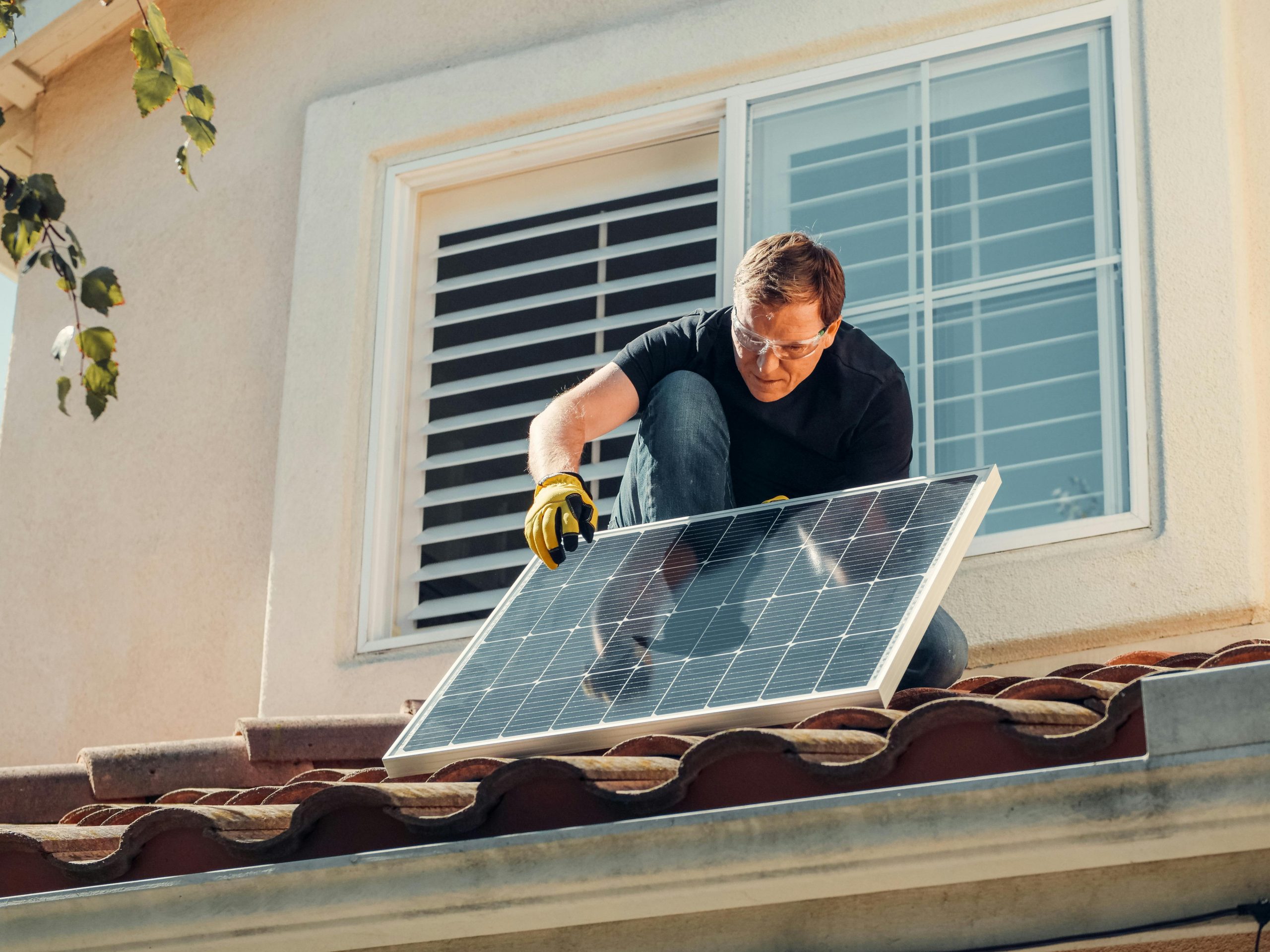
- Maintenance or repairs – Cleaning, replacing components, or roofing work can’t safely be done while panels are live.
- Extended absences – If you’re leaving your home for weeks or months, turning off your solar system can prevent unnecessary energy use and wear.
Being prepared for these scenarios is a key part of responsible homeownership.
Can You Turn Off Solar Panels Yourself?
Yes, in most cases, homeowners can safely switch off solar panels, but it’s essential to follow the correct steps. Solar systems have both DC (direct current) and AC (alternating current) components, and each requires attention. If you’re ever unsure, it’s always safer to call a licensed electrician.
Step-by-Step Guide: How to Turn Off Solar Panels in an Emergency
1. Locate the Main Switch or Isolator
The first step is finding your solar system’s main switch. Depending on your setup, this might be:
- Solar DC isolator – Usually near the inverter or on an external wall.
- AC isolator – Connected to your main switchboard, often labelled as “solar isolator.”
Tip: After you install solar panels, it’s important to familiarise yourself with the location of these switches. Knowing where your DC and AC isolators are will make emergency shutdowns faster and safer.
2. Turn Off the Inverter
The inverter converts the DC electricity from your panels into AC electricity for your home. Shutting down the inverter ensures your home isn’t drawing power from the solar system. Steps generally include:
- Press the off button or switch on the inverter.
- Wait a few moments to confirm that the display goes blank or indicates the system is off.
3. Switch Off the DC Isolator
Once the inverter is off, turn off the DC isolator. This cuts power directly from the solar panels, making them safe to work around. Usually, this is a simple flip of the switch, but always follow the manufacturer’s instructions.
4. Turn Off the AC Isolator (If Needed)
For complete disconnection, you may also switch off the AC isolator. This ensures that no electricity flows from the panels to your household circuits.
5. Confirm Power is Off
Before touching any wiring or performing maintenance, double-check that:
- Lights powered by solar are off.
- Your inverter shows no activity.
- There’s no electrical activity on connected circuits.
Using a voltage tester can provide extra assurance.
What About Emergencies Like Fire or Flood?
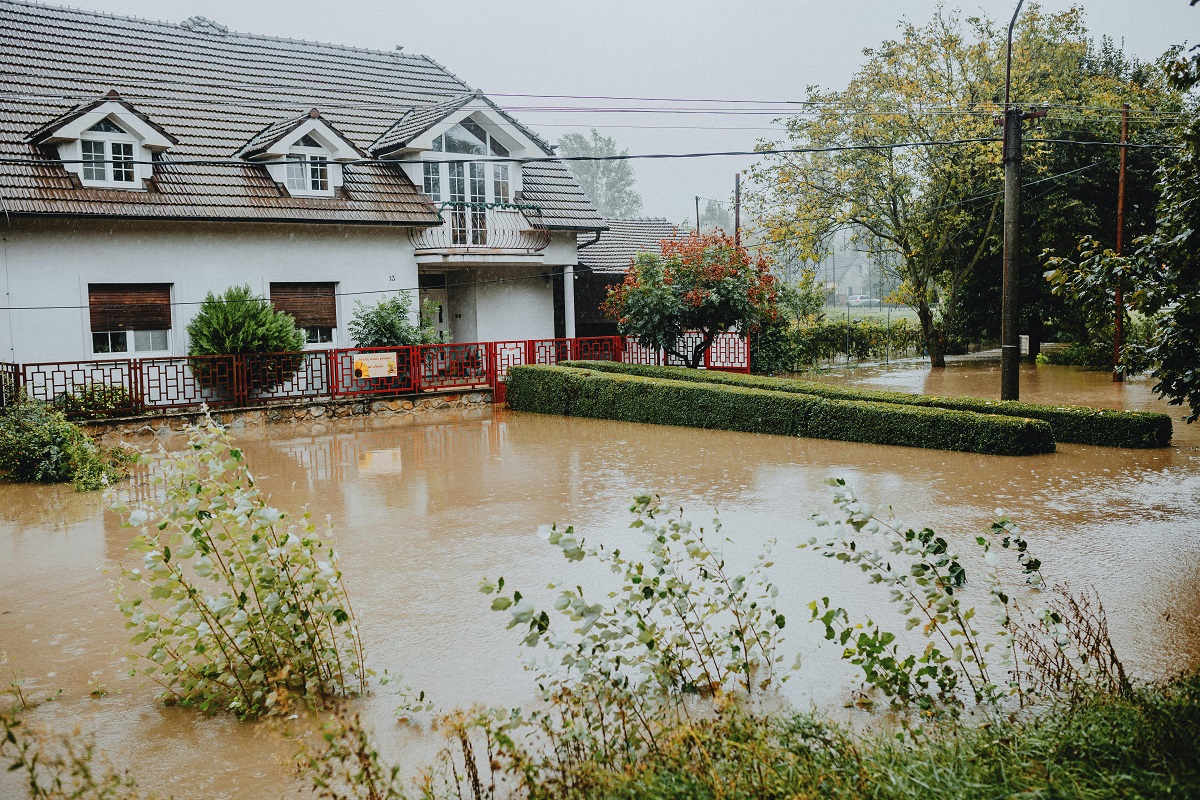
In emergencies, speed is vital, but safety comes first. Here’s what to keep in mind:
- Fire: Only attempt to switch off panels if it’s safe to approach the system. Otherwise, evacuate immediately and inform firefighters that your home has solar panels.
- Flooding: Do not enter flooded areas near the inverter or switchboard. Call an electrician once the area is safe.
- Storm Damage: If panels are visibly damaged, stay clear and wait for professional assistance.
In any emergency, it’s better to prioritise personal safety over turning off the system.
Common Questions Homeowners Ask
Can solar panels shock you if turned off?
Even when switched off, solar panels can retain a small charge. Avoid touching wiring directly unless the system is fully isolated.
How long does it take to turn off solar panels?
With proper knowledge and clearly labelled switches, the process should take just a few minutes.
Should I ever unplug panels from the roof?
No. Solar panels are permanently wired to your system. Only use the designated isolators to disconnect power.
Tips to Make Emergency Shutdown Easier
- Label your switches clearly. Many homeowners struggle during emergencies because the isolators are unlabelled or hidden.
- Keep a diagram of your solar setup near the main switchboard. This helps you or emergency services locate the right points quickly.
- Practice a shutdown drill once or twice a year, especially if you have multiple family members at home.
- Maintain your inverter and switches regularly. Clean and check for any signs of wear or damage.
When to Call a Professional
While you can turn off solar panels yourself, there are situations where you should immediately contact a licensed electrician:
- If your inverter or wiring is damaged.
- If there’s smoke, sparking, or unusual heat around your system.
- If you’re unsure which switch to operate.
- After a severe storm or natural disaster.
Professional intervention ensures that your solar system is safely isolated and any repairs are correctly performed.
Key Takeaways
Turning off solar panels in an emergency doesn’t have to be complicated, but preparation is vital. Here’s a quick summary:
- Locate your inverter and isolators.
- Switch off the inverter first, then the DC isolator.
- Use the AC isolator for full disconnection if needed.
- Confirm the system is fully off before approaching any components.
- Prioritise personal safety during fires, floods, or storm damage.
- Keep switches labelled and accessible for emergencies.
By following these steps, you can ensure that your home remains safe and your solar system is properly managed during unexpected situations.
Closing Thoughts
Understanding how to turn off solar panels in an emergency is part of responsible solar ownership. Emergencies don’t come with warning, so familiarising yourself with your system, labelling switches, and having a clear plan can save time, stress, and even prevent injury. With the right preparation, you can enjoy the benefits of solar energy while keeping your home safe.