
Most homeowners think of their house as a collection of separate systems: plumbing, electrical, heating, cooling and ventilation. In reality, these systems are closely connected. What happens in one part of your home can affect another in ways that aren’t always obvious.
Understanding these hidden connections can help you maintain a more comfortable, efficient and reliable home. From your air conditioner to your plumbing system, the way these systems interact plays a bigger role in your home’s performance than many people realise.
Below, we’ll explore how these connections work and why paying attention to them can save you money, prevent breakdowns and keep your household running smoothly.
How Heating, Cooling & Ventilation Interact
Your home’s heating and cooling equipment doesn’t operate in isolation. Your air conditioning unit relies heavily on proper airflow, insulation and ventilation to perform efficiently.
If any part of the system isn’t working correctly, it can create problems throughout the home.
For example:
- Poor insulation makes your air conditioning system work harder to maintain comfortable temperatures.
- Blocked vents or ducts reduce airflow and lower efficiency.
- Excess humidity can make cooling systems struggle to keep rooms comfortable.
This is why professional air conditioning installation focuses on more than just placing a unit outside or inside the house. Proper system design considers airflow, room size, insulation and ventilation to ensure everything works together.
When air conditioning installation is done correctly, the system can distribute cool air evenly, maintain consistent temperatures and use far less energy.
Plumbing & Cooling Systems: An Overlooked Relationship
Plumbing and cooling might seem unrelated at first glance, but they share more connections than most homeowners realise.
Modern cooling systems often produce condensation as they remove humidity from the air. This water needs somewhere to go, usually through a drainage line connected to your home’s plumbing system.
If this line becomes blocked, you could experience problems such as:
- Water leaks near the indoor unit
- Increased humidity indoors
- Reduced cooling performance
A clogged condensation drain can cause water to back up into your home or shut down your cooling system entirely.
Routine drain clearing helps keep these lines clear, allowing moisture from your air conditioner to drain properly and preventing water damage.
Why Electrical Systems Affect Everything
Electricity powers nearly every major home system, from lighting and appliances to plumbing equipment and cooling systems.
Your air conditioning unit is one of the largest electrical loads in most homes. When the electrical system isn’t designed or maintained properly, it can create issues such as:
- Tripped circuit breakers
- Reduced cooling performance
- Shortened equipment lifespan
During professional installation, technicians assess the electrical capacity of your home to ensure the system can run safely and efficiently.
If the electrical supply isn’t sufficient, the system may struggle to start or operate at full capacity. In some cases, upgrades to wiring or circuit breakers may be required to support a modern cooling unit.
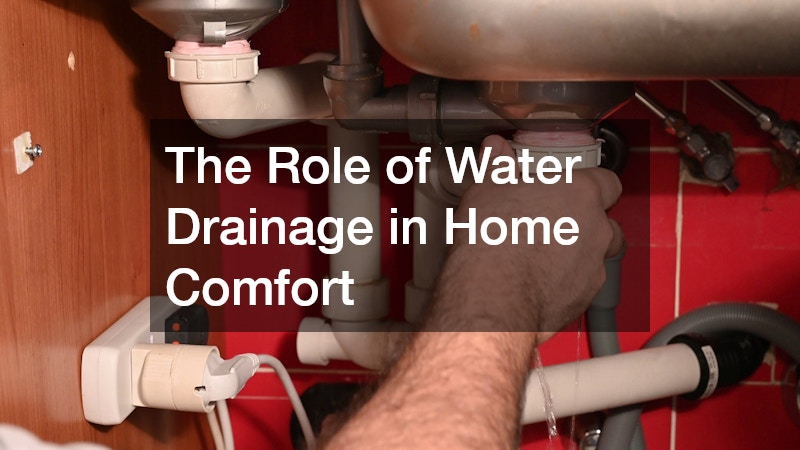
The Role of Water Drainage in Home Comfort
Water drainage doesn’t just affect plumbing fixtures like sinks and showers. It can also influence air quality, humidity and structural integrity.
When drains are neglected, several issues can develop:
- Slow water flow in sinks and showers
- Foul odours inside the home
- Increased risk of leaks or pipe damage
Regular cleaning removes debris, grease and buildup that can restrict water flow. This helps your plumbing system function properly and prevents unpleasant smells from circulating through the house.
In some cases, blocked drains can even affect humidity levels indoors, which in turn makes it harder for your air conditioner to maintain comfortable temperatures.
Why Professional Installation Matters
Home systems are becoming more advanced and more interconnected. That’s why proper installation is essential for long-term performance.
When it comes to installation, professionals consider several factors that influence the entire home environment, including:
- Room size and layout
- Insulation levels
- Airflow and duct design
- Electrical capacity
- Drainage for condensation
Poor air conditioner installation can lead to uneven cooling, excessive energy consumption and unnecessary wear on the system.
By contrast, a correctly installed system works harmoniously with the rest of your home’s infrastructure, providing consistent comfort without placing extra strain on plumbing or electrical components.

Signs Your Home Systems May Be Affecting Each Other
Because these systems are connected, problems often appear in unexpected ways.
Watch for warning signs such as:
- Water pooling near your air conditioner
- Strange smells coming from drains
- High energy bills despite moderate usage
- Weak airflow from vents
- Frequent plumbing blockages requiring cleaning
When these symptoms appear, it’s often a sign that one system is affecting another.
Addressing issues early—whether that means scheduling drain cleaning or checking the performance of your cooling equipment—can prevent larger and more expensive repairs later.
A Home That Works as One System
Your home isn’t just a collection of independent parts—it’s a connected ecosystem. By recognising the hidden connections between these systems and maintaining them regularly, you can avoid unexpected problems and keep your home running efficiently year-round.
Whether it’s scheduling routine drain cleaning or ensuring proper air conditioning installation, small steps can make a significant difference in how well your home functions as a whole.